Plant Guides
Annuals vs Perennials: Which Should You Plant Where?
Walk into any garden center in May and you will see them side by side: flat after flat of petunias, marigolds, and begonias next to gallon pots of coneflower and daylily. The tags say "annual" or "perennial," but they do not tell you which one belongs in your border, your window box, or that bare strip along the driveway. That decision comes down to four things: cost, maintenance, bloom length, and how you want the space to look three years from now.
Neither group is better. Annuals are fast, flexible color. Perennials are the bones of a garden that comes back. The trick is knowing which job you are hiring for.
The Difference Is a Life Cycle, Not a Look
An annual germinates, blooms, sets seed, and dies within a single growing season. A perennial lives for years, typically dying back to the ground in winter and regrowing from roots, crowns, or bulbs each spring. Biennials such as foxglove, hollyhock, and parsley split the difference: foliage the first year, flowers the second.
One catch worth knowing: the label depends on your climate. Snapdragons and lantana are perennial in mild winters and annual where frost cuts them down. Gardeners in cold zones treat geraniums, coleus, and sweet potato vine as annuals even though the plants are technically tender perennials. So when a tag says "annual," read it as "will not survive winter here."
Cost: Cheap Upfront or Cheap Over Time
Annuals win on the first trip to the nursery. A six-pack costs less than a single perennial in a gallon pot, and you get instant fullness. The catch is repetition. Replace them every spring, and the total adds up year after year.
Perennials cost more per plant but they divide. Lift a clump of daylily, coneflower, or sedum in early spring or fall, cut through the root ball with a spade, and replant the sections. One purchase becomes three, then six. Give a few away and you have paid your neighbors back for the zucchini.
There is a middle path, too. Some annuals self-sow reliably if you stop deadheading late in the season and leave the seed heads standing: cosmos, calendula, nigella, cleome, and annual poppies. Skip the heavy mulch in that spot and you may get volunteers for years at no cost.
Maintenance: Be Honest About Your Free Time
Annuals ask for steady attention. They need water, especially in containers where a July afternoon can dry out a pot by dinner. They need fertilizer to keep blooming, and they need deadheading to keep from shutting down and setting seed. Petunias get leggy, so you cut them back midseason and wait for the flush.
Perennials are not maintenance-free, they just spread the work differently. The first year they mostly settle in and disappoint you. The second year they creep. The third year they leap. After that, you divide crowded clumps every few years, stake anything tall and top-heavy, cut stems back in late fall or early spring, and watch a few vigorous sorts — bee balm, obedient plant, anything in the mint family — that will happily take over a bed if you let them.
Low-effort choices worth knowing:
- Annuals that hold up with little fuss: sweet alyssum, wax begonia, vinca, marigold.
- Perennials that ask almost nothing: sedum, daylily, coneflower, ornamental grasses, catmint.
- Plants that need watching: bee balm, mint, gooseneck loosestrife, and anything described as "vigorous."
Bloom Length: A Whole Season or a Window
This is where annuals earn their keep. Keep them fed, watered, and deadheaded, and zinnias, cosmos, and petunias will flower from planting until frost — four months of color from one small plant.
Perennials each get a window. Peonies give you a glorious two weeks. Coneflowers run six to eight weeks. Bearded iris is done before summer really starts. You can stretch some of them by cutting spent stems to the ground after the first flush, which pushes a second round from salvia, catmint, and perennial geranium.
The practical move is to stagger bloom times across the bed. Hellebores and bleeding heart for early spring, peony and salvia for early summer, coneflower and daylily for midsummer, sedum and asters for late. Then use annuals to fill the quiet weeks in between, so the border never has a dead stretch.
Where Each Plant Earns Its Place
Think in terms of jobs rather than categories. Annuals are the show; perennials are the structure.
- Containers and window boxes: annuals. They fill fast, and you can swap the whole planting when the season turns.
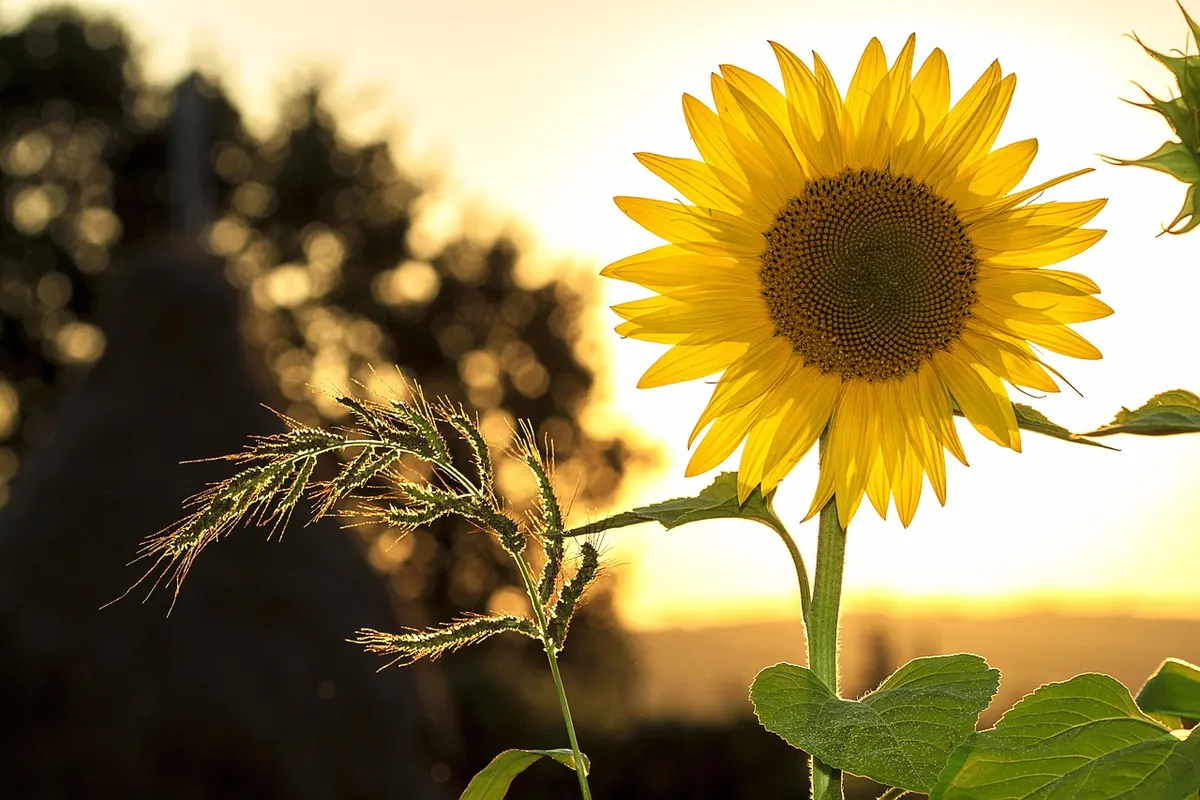
- Cutting gardens: both. Zinnias and sunflowers for volume, coneflower and yarrow for texture that lasts in a vase.
- Foundation plantings and bed edges: perennials and shrubs, which give the same shape every year.
- New beds: annuals, planted between young perennials so the space looks intentional while it fills in.
- Pollinator gardens: perennials for dependable nectar year after year, annuals to extend the season into late summer and fall.
- Slopes and dry, distant spots: drought-tolerant perennials you will not have to drag a hose to.
- Rentals and patios: annuals in pots, which travel with you and leave no trace.
Mixing Them Without Regret
A bed that combines both is usually the best-looking and easiest to keep. A simple order of operations:
- Plant perennials first. Aim for roughly two-thirds of the bed in permanent plants, spaced as if they were already full size.
- Group them in threes and fives rather than one of everything, and repeat the same plant in two or three spots so the eye moves.
- Leave deliberate gaps. Empty space in year one is a planting spot for later, not a failure.
- Fill the gaps with annuals each spring, choosing colors that echo the perennials around them.
- Move the annuals out as perennials expand, or simply plant fewer of them next year.
- Leave a few annual seed heads standing in autumn if you want volunteers.
Start With Your Site, Then Your Budget
Before you buy anything, look at the spot: how many hours of sun, how far the hose reaches, whether the soil drains or puddles. Then be honest about your calendar. If you travel in July or rarely get outside on weeknights, lean on drought-tolerant perennials and skip the thirsty hanging baskets.
The short version: buy perennials for the plants you want to see again next spring, and annuals for the color you want this week. Keep the tags in a notebook so you remember what worked, and take a photo of the bed in August when you are deciding what to change. Two or three seasons of that habit will teach you more about your own garden than any plant label ever will.
Photo: MabelAmber / Pixabay