Flowers
Fall Planting for Spring Blooms: Bulbs, Perennials, and Cover Crops
Spring color is made in autumn. Not as a figure of speech — literally. The crocus that opens in March, the peony that flops wide in June, the vegetable bed that drains well instead of crusting over: all of it traces back to work done while the leaves are coming down. Fall soil is still warm from summer, damp enough to dig without a fight, and weeks away from freezing solid. That gives roots a head start most people never think to give them.
Here is what to put in the ground before the season closes, and how to do it so it actually pays off.
Why Fall Planting Beats Spring Planting
Two things happen underground in autumn. Soil holds warmth long after the air turns cool, so roots keep growing even when top growth has stopped. Rain usually returns too, which means new plants aren't asked to establish themselves during a July drought. A plant set out in September has rooted into its new spot before winter and can start growing the moment soil warms in spring, rather than spending April recovering from transplant shock.
Timing matters more than any other detail. Aim for roughly four to six weeks before your first hard freeze — mid-September through late October in cooler zones, later where winters are mild. Plants installed too late sit in cold, sodden soil without rooting and simply rot.
Bulbs: The Backbone of Spring Color
Nothing else gives so much for so little effort. A hundred daffodil bulbs planted in an afternoon will bloom for years with almost no help from you.
The old rule still works for depth: plant at about three times the bulb's height. Crocus and snowdrops go in 3 inches deep; daffodils, hyacinths and most tulips 6 to 8 inches; big ornamental alliums deeper still. Point the flat base down and the pointed tip up. If you can't tell which is which, plant sideways — the bulb will sort itself out.
Layering for a Longer Show
You don't need more space to get more flowers. Dig one wide hole, set the largest bulbs at the bottom, cover them with soil, then plant smaller bulbs above. A single hole might hold alliums at 8 inches, daffodils at 6, and crocus at 3. The early bulbs bloom and finish just as the taller ones push through to cover their fading foliage.
Keeping Squirrels Out of Your Work
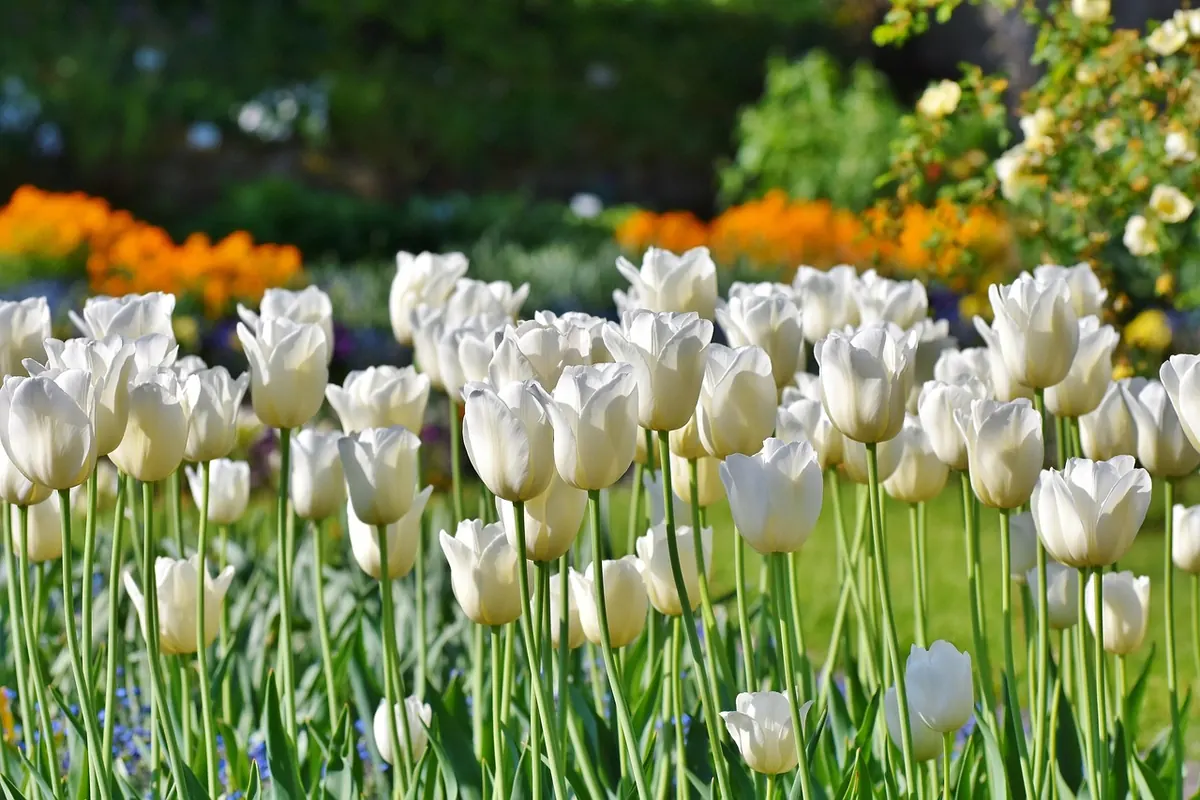
Squirrels dig up tulips and crocus with depressing efficiency. Daffodils, alliums, snowdrops and fritillaria contain compounds they avoid, so start there if wildlife is a problem. For tulips, lay a sheet of chicken wire over the bed and cover it with mulch, or plant them beneath a ground cover like vinca or pachysandra. Water the bed thoroughly after planting and mulch with shredded leaves once the ground cools.
One honest note: tulips perennialize well in cool, dry-summer gardens and poorly in warm, wet ones. Many gardeners in mild climates treat them as annuals and replant each fall. That's a reasonable bargain for a flower that good.
Perennials That Settle In Best in Autumn
Fall is the preferred season for anything with a fleshy crown or rhizome. Peonies planted now will be noticeably stronger than spring-planted ones. Set the eyes — the pink buds on the crown — no more than 2 inches below the surface; bury them deeper and they sulk without blooming. Bearded iris wants the opposite: the top of the rhizome exposed to sun, with roots fanned out below.
Daylilies, coneflowers, sedum, astilbe, hostas and bleeding hearts all transplant well in September and October. So do most shrubs and trees, which get a full season of root growth before they're asked to leaf out. Water everything deeply at planting and again weekly until the ground freezes, even if the weather turns cool and rainy — rainfall rarely reaches the root ball of a new plant.
Cover Crops: The Quiet Workhorses
Bare soil over winter erodes, compacts, and loses nutrients to runoff. A cover crop prevents all three and often leaves you with better soil than you started with.
- Winter rye — the most reliable choice nearly everywhere. Germinates in cool soil, holds the ground through winter, and produces a thick mat of biomass for spring mulching.
- Crimson clover — a legume that fixes nitrogen and blooms crimson in spring if you let it. Good for beds that need feeding.
- Hairy vetch and Austrian winter peas — heavy nitrogen fixers for larger areas. Both get viney, so plan to cut them before they climb.
- Oats and daikon radish — winterkill in cold zones, leaving a dead mat and deep radish holes that improve drainage. In mild winters, they may not die at all.
Sow by scattering seed over raked soil and pressing it in with a rake or your feet, then water. Legume seed benefits from an inoculant, available where garden seed is sold. In spring, cut covers down before they set seed — rye especially, which turns woody and drops viable seed fast. Leave the chopped material on the surface as mulch rather than tilling it under.
A Simple Fall Planting Calendar
- Early fall: order bulbs while selection is good, test your soil, plant perennials and shrubs, sow cover crop in any bed that will sit empty.
- Mid-fall: plant bulbs, divide overgrown peonies and iris, and keep watering new plantings.
- Late fall: mulch beds after the ground has chilled, top-dress with compost, drain hoses, and clean up diseased foliage rather than composting it.
Start With One Bed
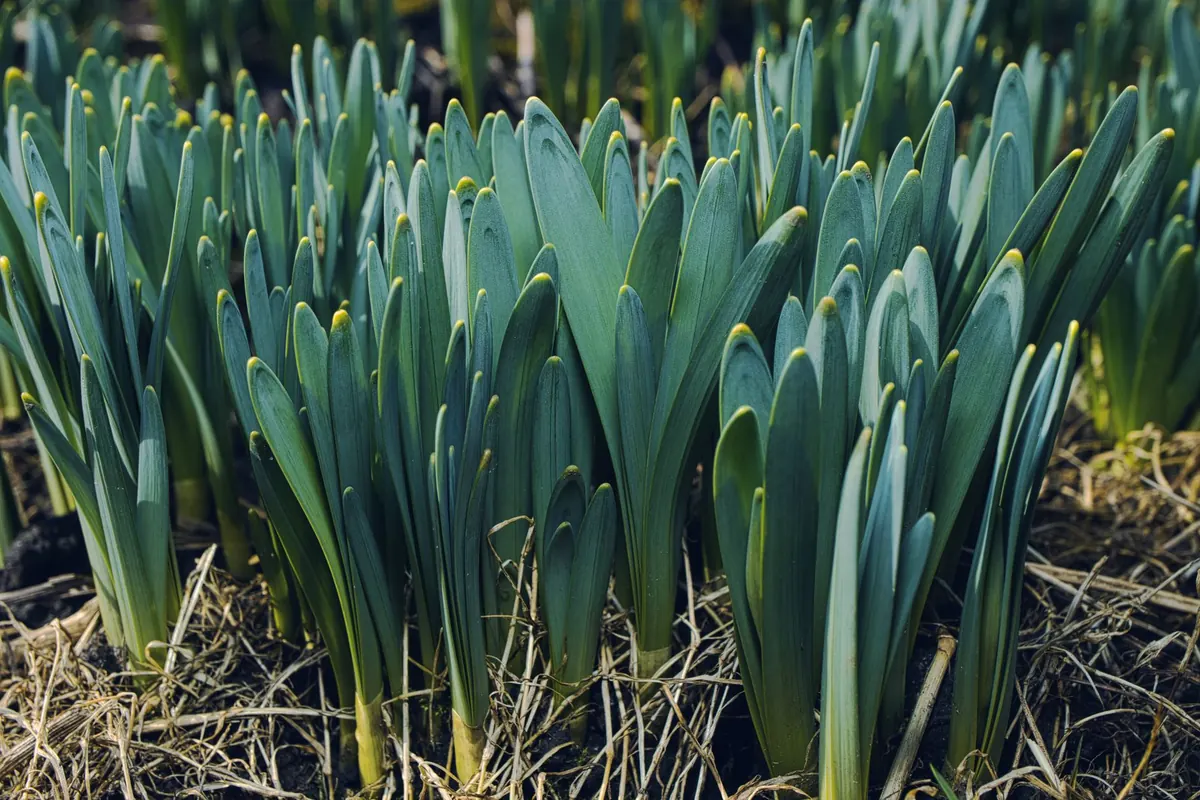
You don't need a full redesign. Pick the bed you see first from a window, dig in a few dozen daffodils, and scatter cover crop seed over the vegetable patch once the tomatoes come out. Water everything in, mark the bulbs with a stake so you don't slice through them in spring, and let winter do the rest. The reward arrives in March, when the first green tips push through cold soil and you remember exactly why you spent that October afternoon outside.
Photo: Олександр К / Pexels